


-
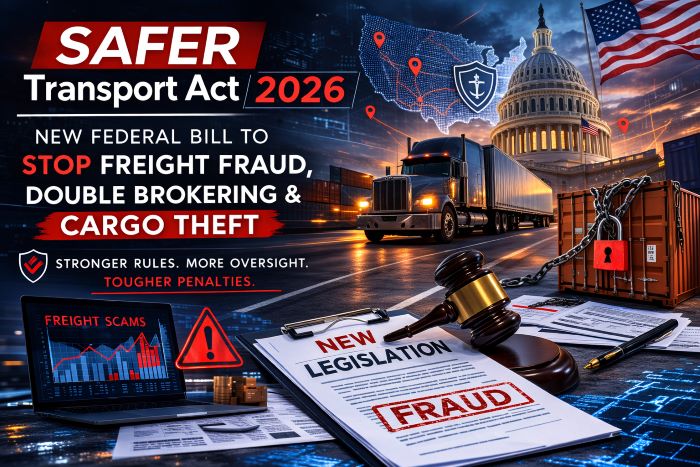
New SAFER Transport Act 2026 Introduced to Fight Freight Fraud and Cargo Theft
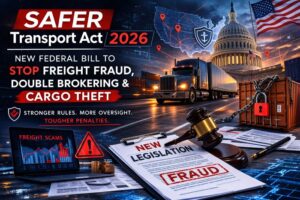
On February 26, 2026, a U.S. Senator introduced a new federal bill called the SAFER Transport Act 2026. The goal of this bill is simple: stop freight fraud, double brokering scams, and organized cargo theft across the United States. Freight scams have been growing fast, especially in the trucking and logistics industry. Lawmakers say stronger
-

How to Spot and Avoid Transport Scams (2026 Safety Guide)
Transport scams 2026 are becoming one of the fastest-growing fraud types in the United States. From fake toll payment texts to car shipping fraud and rideshare scams, Americans are losing millions every year. If you drive, travel, or use transportation services in the U.S., this guide will help you spot transport scams early and avoid
-
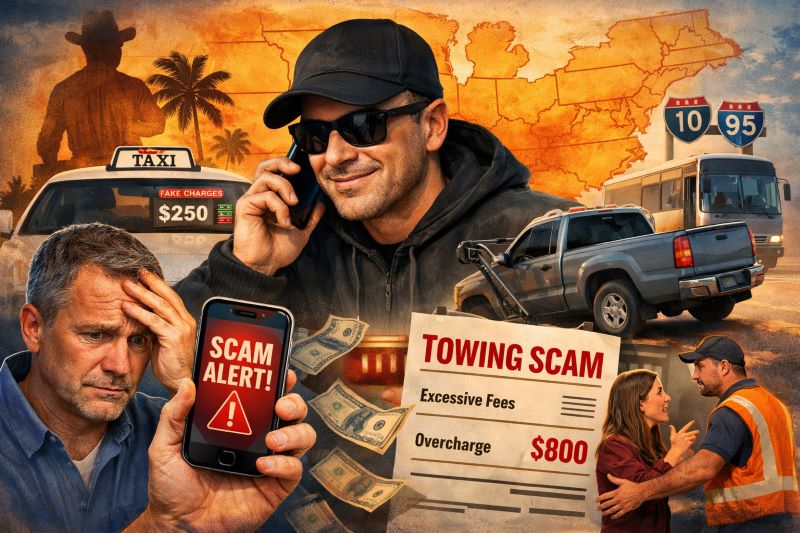
Transport Scams on the Rise in the Southern United States: What You Need to Know
Transport scams are growing fast across the U.S., and the Southern states (Florida, Texas, Georgia, and nearby regions) are getting hit hard. Why? The South has huge volumes of car shipping, port traffic, and freight movement—perfect conditions for scammers to blend in, impersonate real businesses, and disappear after collecting money. These transport scams don’t just
-
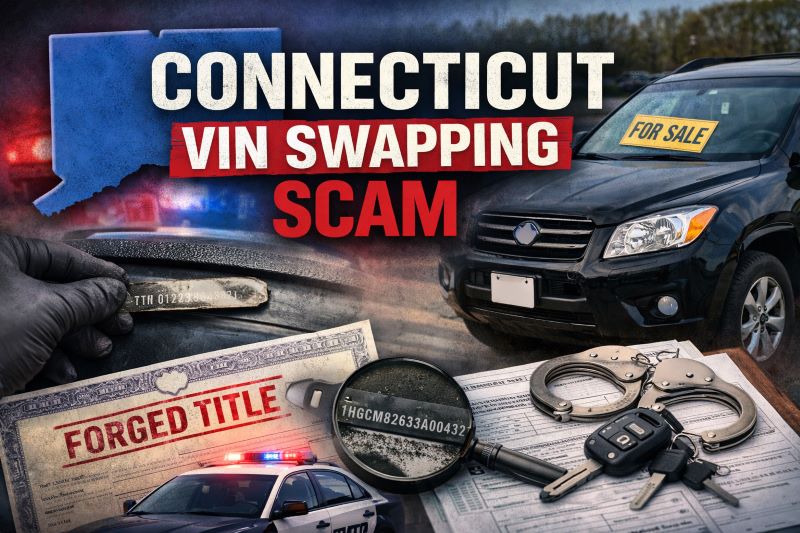
Connecticut Used-Car Scam Alert: VIN Swapping + Title Washing Is Spiking—How to Avoid Buying a Stolen Vehicle
If you’re buying a used car in Connecticut, especially from a private seller on Facebook Marketplace, be careful—there’s a scam going around where stolen cars are made to look “clean.” In a recent Connecticut case, investigators said stolen vehicles were being traded or sold using changed VIN details and paperwork that looked real, so buyers
-
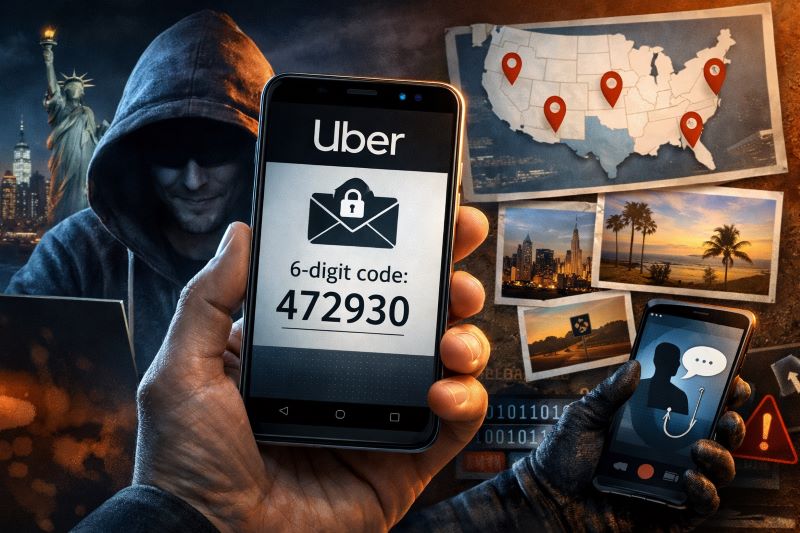
Uber Verification Code Scam (OTP) : 4 Real Reports From the U.S. — Dates, Places, and What They Teach Us
If someone asks for your Uber verification code, they’re not “verifying” you — they’re trying to take over your account. Uber itself warns that it will never ask for your password, verification code, or banking details. Timeline: 4 reported stories (date • place • country) Uber Verification Code Scam: What Happened in 4 Real U.S.
-

U.S. Transportation Scams Surge in 2025–2026: What Drivers Must Know Now
1. Luxury Car Worth $580,000 Missing During Transport — Lawsuit Filed In a rare transportation scams but high‑profile case this week, Mercedes‑Benz Financial Services USA (MBFS) has sued several transport brokers and carriers after a Mercedes‑AMG G63 SUV valued at over $580,000 vanished during shipment from a Brooklyn dealership to Nevada. The complex delivery involved
-
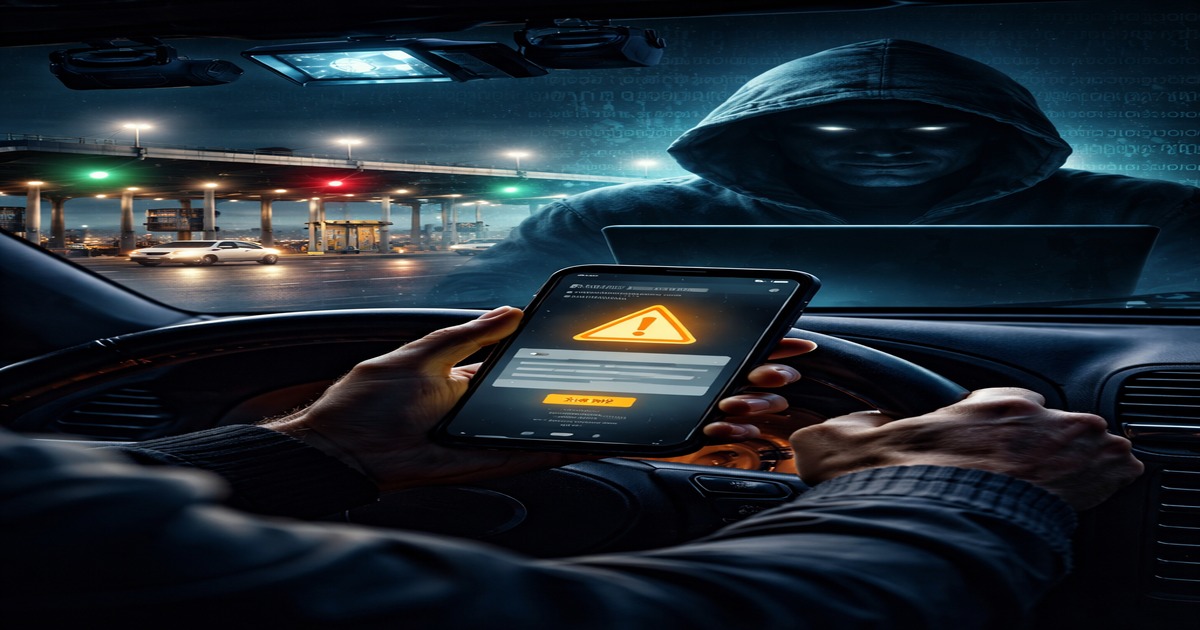
Toll & Road Payment Scams Targeting U.S. Drivers in 2026 — How They Work & How to Stay Safe
Every driver in the United States who uses toll road payment scam should be aware of a rapidly escalating scam trend in 2025–2026: fraudulent toll payment texts and fake toll charges designed to steal money and personal data. These scams are spreading coast-to-coast, and they’re tricking thousands of people every month — especially in areas
-

High-Value Auto Transport Fraud: The Case of the Missing $583,689 Mercedes AMG G63 SUV
When you think about shipping a high-value vehicle, like a $583,689 Mercedes-Benz AMG G63, you expect things to go smoothly. But what if your car just vanished mid-transit? This exact scenario recently happened, making headlines and shining a light on the dark side of the auto transport industry. In January 2026, a Mercedes-Benz AMG G63
-

Real Ride-Share Betrayal in Chicago — Fake Driver Assaults Women
📍 Location: Chicago, Illinois, USA📅 Date of Incidents: March 30, 2025 and July 19, 2025📰 Source: Chicago Police warning after attacks by a fake rideshare driver Chicago police issued a formal community alert after a man pretending to be a rideshare driver picked up at least two women and proceeded to sexually assault them during
-
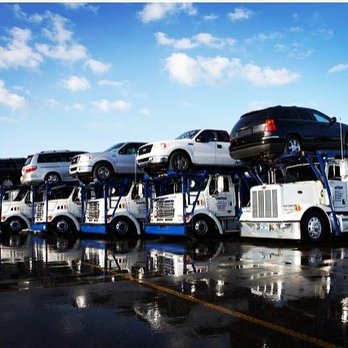
Tips for How to Identify a Car Shipping Scam
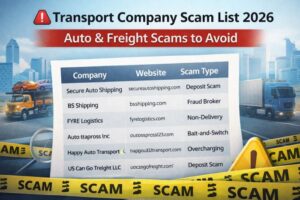
Car shipping scams can cost you hundreds of dollars and even result in stolen vehicles. Thankfully, it’s easy to avoid most fraudsters if you know what to look for. We’ve put together a list of 10 tips and warning signs to help you avoid auto transport scams:
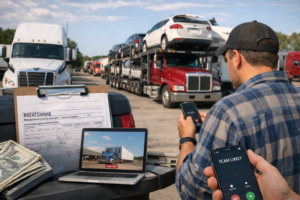
Car transport scams are a type of fraud in which scam artists or criminals deceive people into believing they are making legitimate arrangements to transport their vehicle from one location to another. In reality, the scammer has no intention of actually transporting the car, and instead intends to steal the vehicle or its contents.
The scam usually begins with the scammer telling the victim that they can transport their car for a fee. The victim usually agrees to the fee, but the scammer then requests a deposit to be paid upfront. Once the victim pays the deposit, the scammer disappears with the money and the car remains undelivered.
In some cases, the scammer may request a larger sum of money to be paid in order to “secure” the transport services. The victim then sends the money, only to find out later that the scammer never actually provided the services.
Another type of car transport scam involves the scammer claiming to be from a legitimate car transport company. The scammer will then provide the victim with a contract that includes a list of fees and other costs associated with the transport services. After the victim signs the contract, the scammer takes the necessary money, but fails to provide the transport services as promised. Scammers also sometimes create fake websites or advertisements that appear to be from legitimate car transport companies. These websites will often include pictures of vehicles and detailed descriptions of the transport services they offer. However, after contacting the company, the victim will realize that they are dealing with a scammer.
Car transport scams can have serious financial and emotional consequences for victims, as they can lose a significant amount of money. It is important to be aware of scammers and their tactics, and to take the necessary steps to protect yourself and your vehicle. This includes researching any car transport companies you are considering, verifying the legitimacy of the company, and paying for services with a credit card or other secure payment method.