





- Train Ticket Scam Alert (January 6): Don’t Let a Fake “Amtrak” Booking Steal Your Money
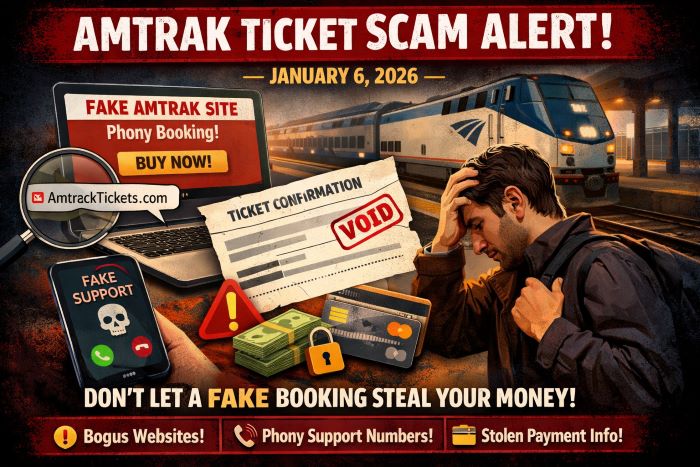 If you’ve booked a train ticket online lately, read this before you buy. A real train ticket scam made headlines on January 6, 2026, after a traveler tried to purchase an Amtrak ticket and ended up on a fake booking route that looked official. Scammers are now using the same trick across the U.S., and…
 - Students Exploit UK Rail Refund System to Steal £140,000 in Train Compensation Scam
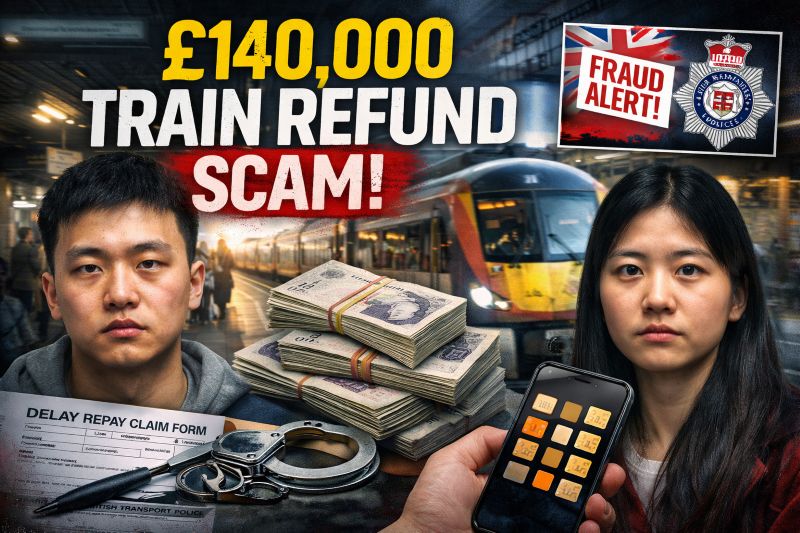 A major UK railway scam has exposed serious flaws in the country’s train compensation system after two university students successfully defrauded rail operators of more than £140,000 by exploiting a loophole in the widely used Delay Repay refund scheme. The scam was carried out by Li Liu (26) and Wanqing Yu (25), who were living…
 - How to Avoid Common International Shipping Scams
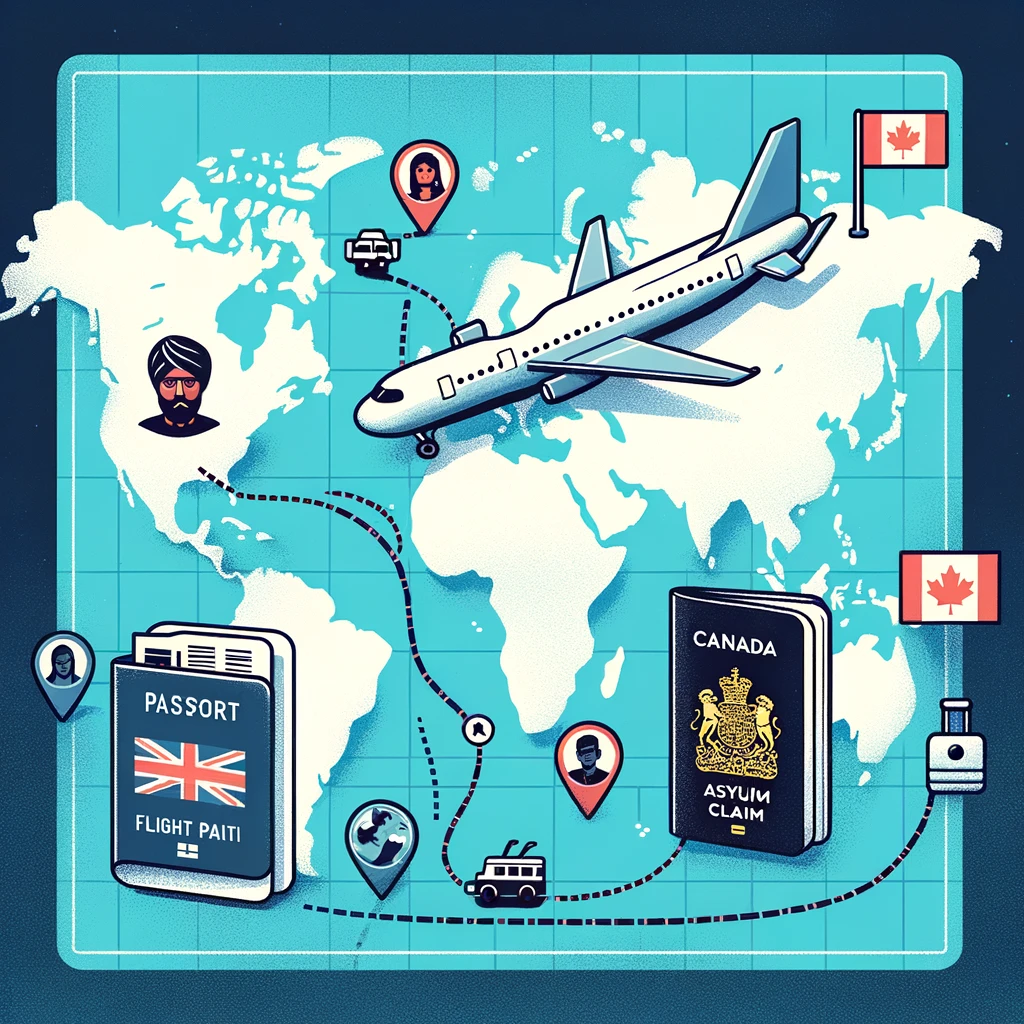 As global trade continues to grow, international shipping has become a routine part of doing business — but with that convenience comes risk. Scammers are increasingly targeting cross-border shipments, preying on individuals and companies unfamiliar with the complexities of international logistics. Whether you’re a business owner or someone making a personal purchase from abroad, being…
 - The Great Train Ticket Scam: How to Spot Fake Deals
 In the age of digital bookings and online travel deals, the convenience of purchasing train tickets online has also brought about a rise in fraudulent activities. Scammers have become increasingly sophisticated, creating fake deals and websites to trick unsuspecting travelers out of their money. In this blog, we’ll dive into how these scams work, how…
 - Rail Transport Scam
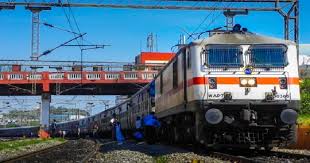 Rail transport scams are a growing problem for many countries around the world. Scams can take many forms, from ticket fraud and deception to theft, sabotage, and more. In most cases, the goal of the scam is to take advantage of unsuspecting passengers, sometimes resulting in financial loss or worse. Ticket fraud : Ticket fraud…
Railway transport scams involve the misappropriation of funds or resources associated with railway transport. These scams can include fraudulent activities, such as taking bribes from railway contractors, manipulating procurement contracts, and misusing railway funds. They can also involve the theft of railway equipment, ticket fraud, and other illegal activities. In some cases, these scams have been carried out by organized crime networks.
In India, the most well-known railway transport scam is the Indian Railway Board Corruption Scandal, which came to light in the early 2000s. The scandal involved the alleged bribery of railway board members by contractors for railway construction and supply contracts. Several high-ranking officials were implicated in the scandal, including the then-Railway Minister, Lalu Prasad Yadav. The scandal resulted in a loss of more than $1 billion to the Indian government.
Other railway transport scams have been reported in countries such as China, the United Kingdom, and the United States. In the U.S., for example, the Federal Railroad Administration uncovered a $3.6 million fraud in 2009 involving a company that had been hired to provide track inspection services to Amtrak. The company had allegedly billed Amtrak for services that were never provided.
In general, railway transport scams can have a devastating impact on the economy of a country. They can lead to reduced investment in infrastructure, increased consumer prices, and loss of public trust in the government. Therefore, it is important for governments to take steps to prevent and detect these scams in order to protect the public’s money and resources.