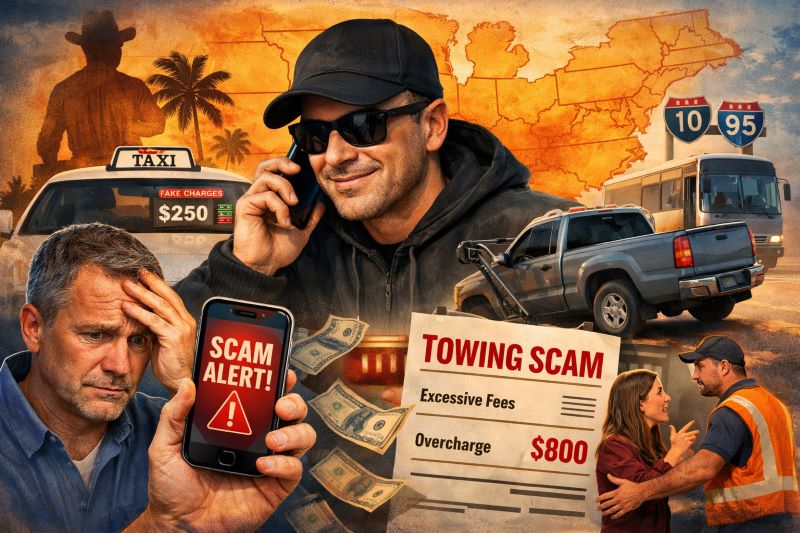




Transport scams 2026 are becoming one of the fastest-growing fraud types in the United States. From fake toll payment texts to car shipping fraud and rideshare scams, Americans are losing millions every year.
If you drive, travel, or use transportation services in the U.S., this guide will help you spot transport scams early and avoid losing money.
👉 You may also like: Transportation Safety Tips for U.S. Drivers
What Are Transport Scams?
Transport scams are frauds linked to:
- Toll roads and highways
- Rideshare apps (Uber, Lyft)
- Car transport and vehicle shipping
- Freight, trucking, and logistics
- Airlines and public transportation
Scammers pretend to be official agencies or transport companies to trick people into paying fake fees or sharing personal details.
Top Transport Scams in the USA You Must Watch Out For
1. Fake Toll Payment Text Scam (Most Common in the U.S.)
You receive a text claiming you owe unpaid toll fees and must pay immediately.
Why it works:
Millions of Americans use toll roads daily.
Red flags:
- Urgent messages like “Final Notice”
- Unknown links asking for card details
- Misspelled URLs
How to avoid:
U.S. toll agencies do not request payment via random text messages.
👉 Related: Toll & Road Payment Scam
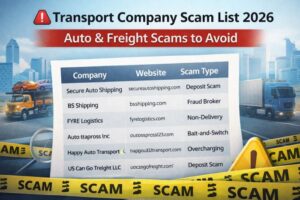
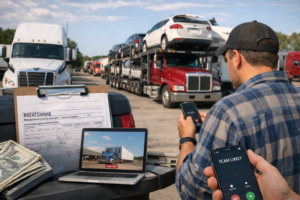
2. Car Transport & Auto Shipping Scams
Fake car shipping companies advertise extremely low prices online.
Common tricks:
- Asking for full payment upfront
- Disappearing after payment
- No valid USDOT or FMCSA registration
How to avoid:
Always verify the company on the FMCSA website before booking.
👉 Recommended reading: How to Choose a Legit Auto Transport Company
3. Rideshare Driver Scams (Uber & Lyft)
Scammers pose as drivers or ask you to cancel trips and pay cash.
Warning signs:
- Driver asks you to cancel the ride
- License plate doesn’t match the app
- Requests payment outside the app
How to avoid:
Never pay outside the rideshare app.
👉 See also: Rideshare Real Story and Safety Tips
4. Fake Customer Support Transport Scams
Scammers pretend to be airline, toll, or transport support agents.
How they trap victims:
- Fake support numbers on Google
- Asking for OTPs or login codes
How to avoid:
Only contact support through official websites or apps.
🔗 External source: FTC – Report and Avoid Imposter Scams
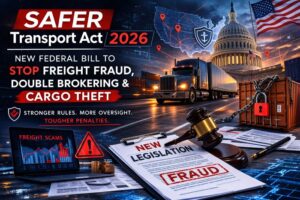
5. Freight & Trucking Broker Fraud (USA Logistics Scam)
Targeted at truck drivers and carriers.
Scam tactics:
- Fake load offers
- Altered documents
- Payment never received
How to avoid:
Verify brokers through FMCSA and trusted load boards.
👉 Helpful guide: Freight Fraud Prevention for Truckers
Quick Signs You’re Dealing With a Transport Scam
If you see two or more of these, stop immediately:
- 🚨 Pressure to pay fast
- 🚨 Requests for gift cards, crypto, or wire transfers
- 🚨 Unverified emails or phone numbers
- 🚨 Deals that look “too cheap”
How to Avoid Transport Scams in the USA (Simple Tips)
✔ Never click unknown payment links
✔ Verify transport companies before paying
✔ Use official apps and websites only
✔ Don’t share OTPs or passwords
✔ Trust your instincts
What To Do If You’ve Been Scammed
- Contact your bank immediately
- Freeze compromised accounts
- Report the scam at reportfraud.ftc.gov
- Save all messages, emails, and receipts
Why Transport Scams Are Increasing in 2026
- More digital payments
- AI-generated scam messages
- Increased online bookings
- High trust in transport brands
Scammers follow money—and transportation is everywhere.
Stay Alert, Stay Safe
Transport scams in the USA are clever, fast, and convincing—but knowledge beats scams. Knowing what to look for can save you from financial loss and identity theft.
Share this guide with friends and family—especially drivers, travelers, and seniors.
FAQs for “Transport Scams in the USA”
1) What are the most common transport scams in the USA?
The most common ones include fake toll payment texts, rideshare scams (fake drivers or paying outside the app), car shipping/auto transport scams, fake customer support numbers, and freight/broker fraud (for trucking and logistics).
2) How do fake toll text scams work?
Scammers send a message saying you have an unpaid toll and must pay immediately using a link. The link usually leads to a fake payment page that steals your card details or personal info. Best move: don’t click—check your toll account on the official website/app.
3) How can I verify a car shipping or transport company is legit?
Use the company’s USDOT/MC number and verify it through the FMCSA database. Also look for a real address, working phone number, and reviews that don’t look copied or fake.
4) What should I do if I already paid a scammer?
Act fast: contact your bank/card provider, dispute the charge, change passwords if you shared any logins, and report it to the FTC (ReportFraud). Save screenshots, receipts, and messages as proof.
5) How can I avoid rideshare scams (Uber/Lyft) in the U.S.?
Always match the license plate, confirm the driver name/photo, and never pay outside the app. If a driver asks you to cancel and pay cash, end the ride request and report it in the app.