



If you’ve booked a train ticket online lately, read this before you buy.
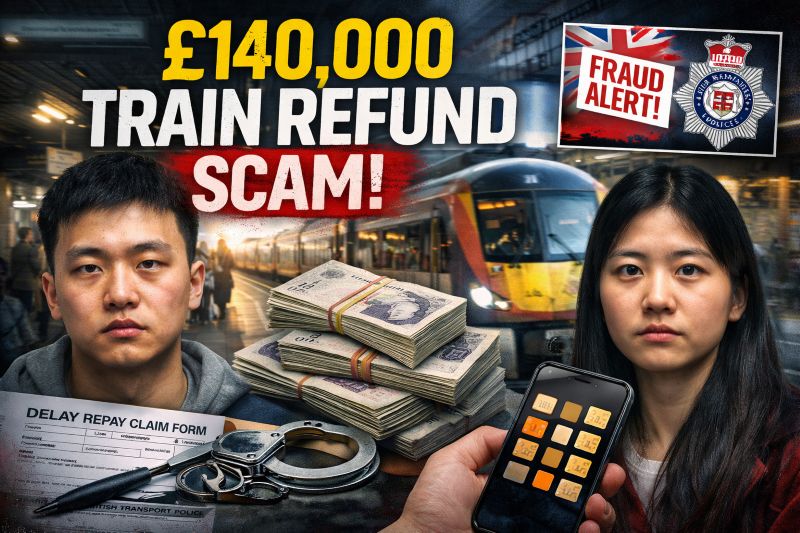
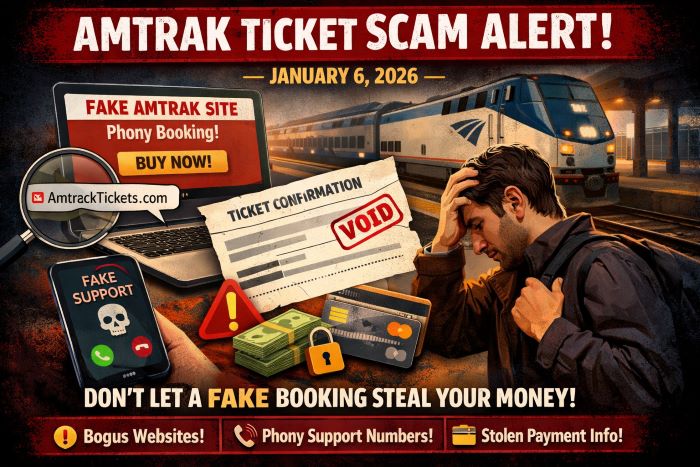
A real train ticket scam made headlines on January 6, 2026, after a traveler tried to purchase an Amtrak ticket and ended up on a fake booking route that looked official. Scammers are now using the same trick across the U.S., and it can hit anyone in any city—from big metros to small towns.
Why this matters to your area
Scammers don’t target one location. They target search traffic—meaning if people in your city search:
- “Amtrak tickets”
- “train ticket booking”
- “Amtrak customer care number”
- “cheap train tickets near me”
…they can be served a fake website or fake phone number that appears real.
🕵️ How the Scam Works
Here’s the trick scammers use everywhere:
- You search for tickets online
- You click a link that looks official (sometimes even a top result)
- You land on a look-alike booking page or call a fake “support” number
- They charge extra fees, steal payment info, or send a useless “confirmation”
- You only find out when you can’t access the ticket—or when your card shows weird charges
It’s designed to feel normal, which is why it works.
✅ Quick Safety Checklist (Works in Any City)
Before paying for any train ticket, do this:
✔ Use the official website/app (type it directly instead of clicking random results)
✔ Be suspicious of “customer support” phone numbers shown in ads
✔ Check the web address carefully (tiny spelling changes = huge red flag)
✔ Avoid booking pages that push urgency: “Only 1 seat left!”
✔ Pay with a credit card when possible (better fraud protection than debit)
🚩 Red Flags That Scream “Scam”
Watch for any of these:
- Unusual “service” or “processing” fees
- Payment requests through gift cards, crypto, Zelle/Cash App (big warning)
- Poor grammar, weird fonts, or slightly off logos
- A phone agent who rushes you or avoids giving written confirmation
- A “ticket confirmation” that can’t be found in your Amtrak account
If even one feels off—pause. Click Here To Know More
🆘 If You Think You Got Scammed: Do This Immediately
- Call your bank/card provider and freeze/chargeback
- Change your email password (scammers sometimes try account takeovers)
- Report the incident to local consumer protection or police non-emergency
- Save screenshots of the website/number and all receipts
Fast action = better chance of getting your money back.
👉Fraud Alert – Official Scam Warning and Safety Tips — This is Amtrak’s official fraud alert page explaining common online ticket scams and reminding travelers to buy tickets only directly through official Amtrak channels.
❓ Amtrak Train Ticket Scam – Frequently Asked Questions (FAQs)
How can I tell if an amtrak ticket website is fake?
Fake Amtrak sites often look very real but usually have small red flags—misspelled URLs, extra words in the web address, unusual fees, or pressure tactics like “only 1 seat left.” Always type amtrak.com directly into your browser instead of clicking ads or random search results.
Does amtrak ever ask for payment through Zelle, Cash App, or gift cards?
No. Amtrak does not accept payments through gift cards, cryptocurrency, Zelle, Cash App, or wire transfers. Any request like this is a major warning sign that you’re dealing with a scam.
What should I do if I already paid a fake booking site?
Act fast. Contact your bank or credit card company immediately to stop or dispute the charge. Change your email and account passwords, save screenshots of the scam site or phone number, and report the incident to consumer protection authorities.
Can fake customer support phone numbers appear in Google search results?
Yes. Scammers often pay for ads or manipulate search results so fake “Amtrak customer service” numbers appear at the top. Always verify phone numbers directly from the official Amtrak website or app.
What’s the safest way to book an Amtrak train ticket online?
The safest method is to book directly through the official Amtrak website or mobile app and pay with a credit card. Credit cards offer better fraud protection if something goes wrong compared to debit cards or cash-based payments.