


Dark Shipping Fleet Risks and Seafarer Exploitation
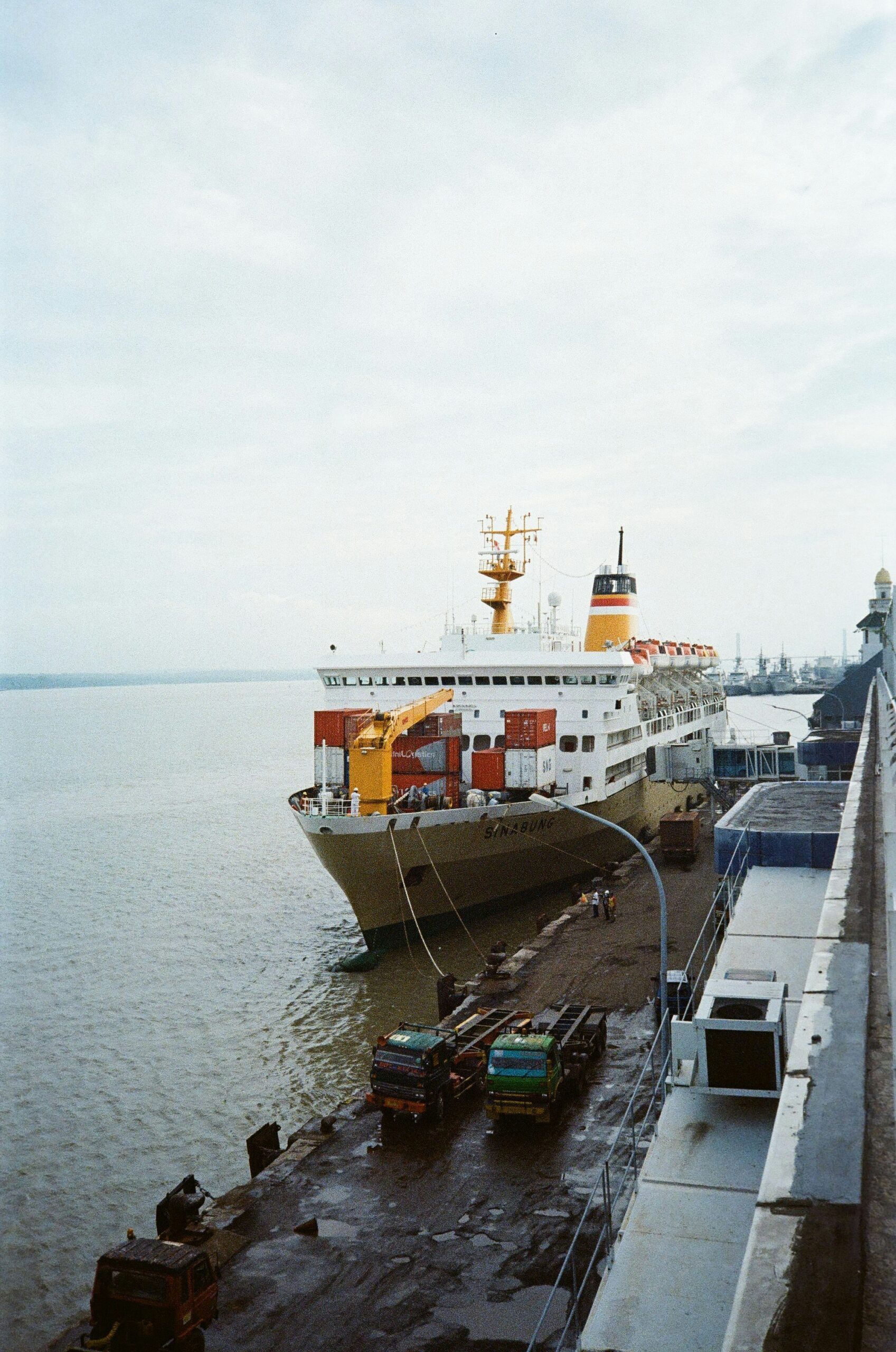
This issue has contributed to widespread seafarer exploitation, affecting thousands of workers globally. Maritime human transport scam cases are rising globally as dark shipping fleets exploit seafarers under unsafe and illegal conditions. These vessels operate outside formal maritime tracking systems, often transferring oil, weapons, or other goods under falsified ownership. The growing dependence on such fleets has created new opportunities for human exploitation and labor abuse at sea. These vessels form part of a growing dark shipping fleet that often operates outside legal and safety regulations. The issue is growing worldwide as shipping operations become harder to regulate, creating new challenges for maritime authorities.
Key Takeaways
- Dark fleets hide ownership and flags to evade sanctions, often exploiting crews under unsafe, illegal conditions.
- Risks: Human rights abuses, unpaid wages, physical and psychological harm.
- Who’s at risk: Job-seeking seafarers, recruitment agencies, and legitimate shipping operators caught in illegal chains.
- What to do: Verify recruiters, check IMO numbers and flag history, use certified maritime labor agencies, and report suspicious offers.
Table of Contents
What Is a Dark Shipping Fleet?
The United Nations Office on Drugs and Crime (UNODC) reports that a clandestine shipping fleet operating under international sanctions is exploiting seafarers through forced labor and deception.
These “dark fleets” combine elements of maritime and human transport scams, operating beyond official oversight. This lack of transparency makes it nearly impossible for authorities to track their activities or protect the individuals they employ.
How Seafarers Are Exploited
Operating under sanction radar, these vessels often:
- Carry oil and other cargo while disguising ownership and routes.
- Recruit workers through false promises of legitimate employment.
- Trap crews on ships with little to no pay, limited food, and unsafe living conditions.
- Disable tracking systems to hide their movements in international waters.
Many seafarers become isolated from families, working in hazardous conditions with no clear way to return home.
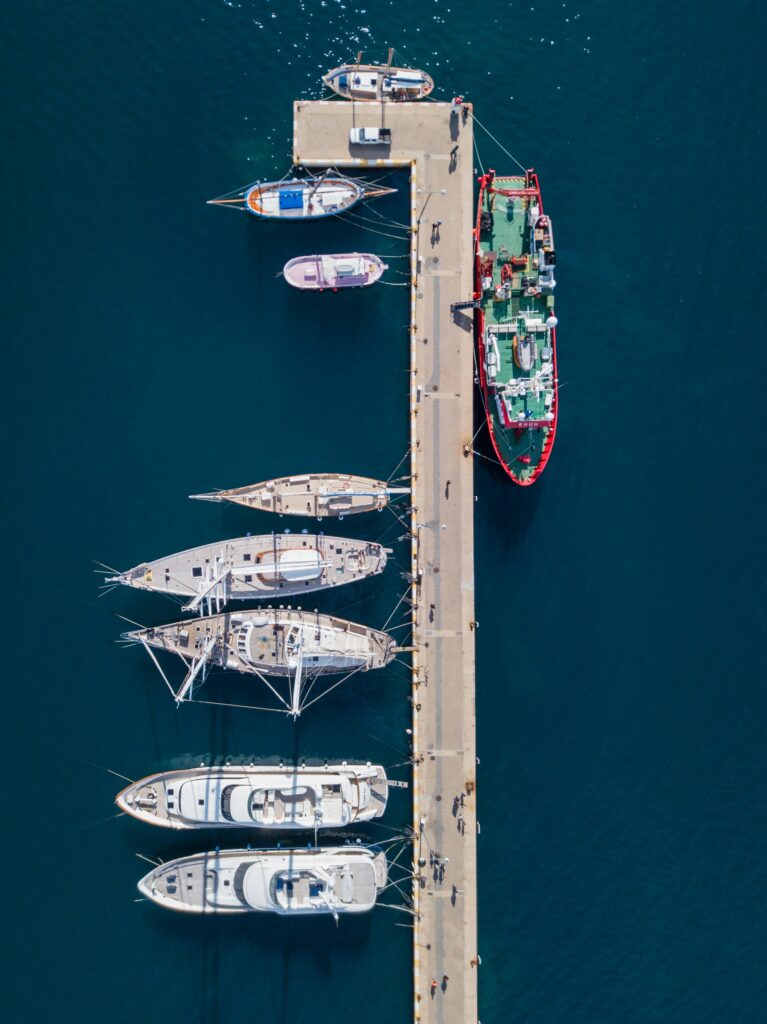
Not every ship that sails carries goods — some carry broken promises.
Reference
- UNODC Maritime Crime Programme
- International Maritime Organization (IMO)
- International Transport Workers’ Federation (ITF Seafarers)
- International Labour Organization (ILO)
- How to Avoid Common International Shipping Scams
- Report a Scam
Legal and Economic Consequences
Enforcement against dark fleets is extremely difficult because:
- Ships frequently turn off tracking systems to avoid detection.
- They operate across multiple jurisdictions, exploiting regulatory loopholes.
This system results in:
- Widespread human exploitation and forced labor.
- Safety risks for maritime operations.
- Reputation damage for legitimate shipping companies and flag states.
For governments and corporations, any association —direct or indirect— with these covert operations can bring legal, ethical, and regulatory consequences, including violations of:
- International sanctions
- Maritime labor conventions
- Human rights laws
- How countries are trying to regulate or monitor dark fleets.
- Financial and reputational risks for shipping companies involved.
Example : Governments are introducing stricter port entry rules, vessel-tracking requirements, and insurance restrictions for non-compliant ships. Shipping firms linked to sanctioned cargo can face millions in fines, canceled insurance coverage, and long-term bans from international ports.
How Seafarers Can Verify a Job Offer (Checklist)
- Confirm company name, IMO number, and flag history via official registers.
- Sign contracts only through recognized maritime labor agencies (MLC-compliant).
- Demand written contract, insurance, and repatriation clause.
- Refuse upfront payments or passport withholding.
- Share voyage details with family; keep digital copies of documents.
The Human Cost
Seafarers often endure:
- Unpaid or delayed wages
- Physical exhaustion and unsafe working conditions
- Lack of communication with families
- Denial of medical care
- Psychological distress and exploitation
This not only affects individual workers but also undermines the integrity of the global shipping industry.
For example, crews trapped on shadow vessels often work 16-hour shifts without rest or proper meals. Many are forced to surrender passports and cannot leave the ship for months. These hidden stories represent the human price of illegal trade — lives lost, families torn apart, and futures destroyed.
How to Verify Maritime Job Offers
Before accepting any overseas maritime job:
- Verify the employer through recognized maritime labor agencies.
- Check the IMO (International Maritime Organization) number and vessel registration.
- Avoid recruiters who demand upfront fees or confiscate passports.
- Confirm the contract includes repatriation and insurance clauses.
If something feels suspicious, walk away — legitimate employers never pressure candidates for immediate travel or hidden fees.
Report & Get Help
If you suspect a scam or know someone trapped in such exploitation:
- Collect evidence (screenshots, job ads, recruiter details).
- Report to UNODC Maritime Crime Programme or ITF Seafarers’ Trust.
- Share your experience on TransportScammers.com to help warn others.
- Support awareness campaigns that expose illegal maritime practices.
Frequently Asked Questions (FAQ) About Dark Shipping Fleets
What is a “dark fleet” in shipping?
A network of vessels that hides ownership, flag, and route information to evade sanctions and official oversight.
How do dark fleets exploit seafarers?
Through false contracts, unpaid wages, unsafe vessels, and threats of abandonment while operating beyond legal protection.
How can I verify a legitimate maritime job?
Check the IMO number and vessel flag, verify the recruiter’s license, and confirm the contract with a recognized maritime labor agency.
Where can I report maritime labor abuse?
You can report through your national maritime authority, ITF Seafarers (https://www.itfseafarers.org/
The maritime world depends on transparency and ethics. Sharing verified information, reporting unsafe recruitment, and demanding accountability from shipping companies can prevent future exploitation. Every seafarer’s story matters — awareness is the strongest defense against human trafficking at sea.
🚨 If you suspect a scam:
- Collect evidence (screenshots, names, emails).
- Report to your maritime authority or ITF Seafarers.
- Share your experience on TransportScammers to warn others.