



Date: February 12, 2026
Location: South Florida (Broward, Orange, Osceola, Polk, St. Lucie & Volusia Counties)
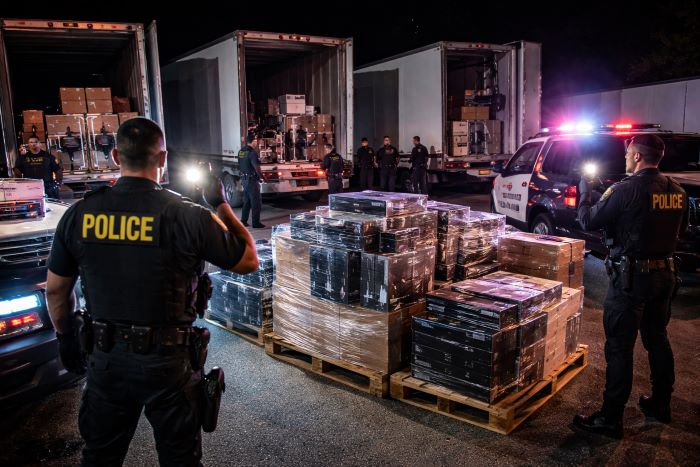
A massive cargo theft ring responsible for stealing nearly $7.8 million worth of freight has been dismantled in Florida, making it one of the most viral transport scam news stories of 2026.
Authorities announced on February 12, 2026, that multiple suspects were arrested in connection with at least 32 cargo theft incidents across South and Central Florida. The case has gained widespread attention because of its size, organization, and the growing concern around freight and transport scams in the United States.
Table of Contents
What Happened in the Florida Cargo Theft Case?
According to investigators, this was not random truck theft. It was an organized cargo theft operation that targeted semi-trailers transporting valuable goods across Florida’s busy freight routes.
The suspects allegedly:
- Disabled GPS tracking devices on trailers
- Stole full tractor-trailers along with cargo
- Moved stolen goods to separate locations
- Resold items through local resale networks
The group operated across multiple counties including:
- Broward County
- Orange County
- Osceola County
- Polk County
- St. Lucie County
- Volusia County
Authorities believe the theft ring had been active since 2023.
What Was Stolen?
The stolen cargo included high-demand, easy-to-resell products such as:
- Consumer electronics
- Retail merchandise
- Copper wire
- HVAC equipment
- Food products
- Energy drinks
- Wine and spirits
These types of goods are common targets in cargo theft scams because they can be resold quickly in local markets or online platforms.
Why This Transport Scam Is Going Viral
This story is trending because:
- The total value — $7.8 million — is extremely high
- The theft ring operated across multiple counties
- The suspects allegedly disabled tracking systems
- Authorities say combined prison sentences could reach 300 years
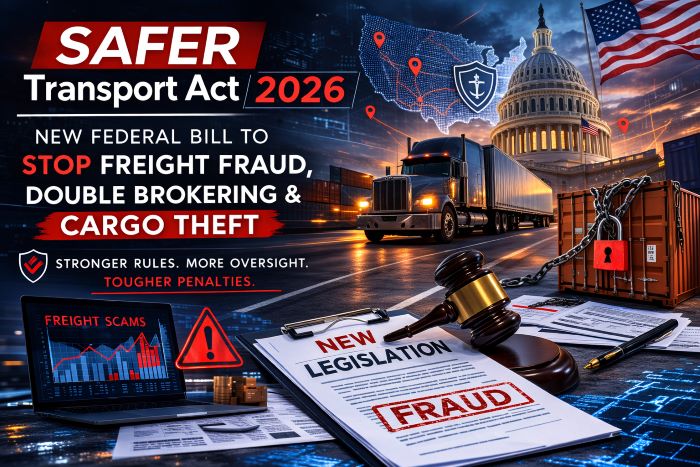
Cargo theft is becoming one of the fastest-growing forms of organized crime in the transport industry. Florida, being a major logistics hub, is particularly vulnerable. Must Watch
Rising Transport Scams in the U.S. Freight Industry
The Florida case highlights a larger problem: freight fraud and transport scams are increasing nationwide.
Criminals are no longer just breaking into trucks. Today’s cargo theft rings use:
- Technology manipulation
- GPS disabling tactics
- Fake carrier identities
- Fraudulent pickup documentation
- Organized resale networks
This evolution of transport scams is costing businesses billions annually.
If you want to understand how these scams work and how to protect your business, read our detailed guide:
👉 Internal Resource: /how-to-prevent-cargo-theft-and-freight-fraud
Why Florida Is a Major Target for Cargo Theft
Florida plays a critical role in U.S. transportation and logistics. With major ports in Miami and Tampa, and highways like I-95 and I-4 moving millions of dollars in goods daily, the state is a high-traffic freight corridor.
High freight volume + valuable cargo + busy distribution networks = attractive conditions for organized theft rings.
Experts say transport scams in Florida have increased because:
- Large freight volumes create opportunity
- Stolen goods can quickly move through resale markets
- Multi-county coordination makes investigations complex
The Real Cost of Cargo Theft
Cargo theft doesn’t just hurt large corporations. It affects:
- Trucking companies
- Freight brokers
- Small retailers
- Supply chain operators
- Consumers
When shipments are stolen:
- Insurance premiums rise
- Shipping costs increase
- Delivery times are delayed
- Product prices may go up
Ultimately, everyday consumers pay the price.
How Cargo Theft Rings Operate (Simple Explanation)
Most organized transport scam groups follow a pattern:
1️⃣ Identify High-Value Shipments
Criminals monitor freight movements and target valuable loads.
2️⃣ Interfere with Tracking
They disable or manipulate GPS systems to delay detection.
3️⃣ Move the Stolen Cargo
Goods are transported to secondary locations quickly.
4️⃣ Resell Immediately
Items are sold through local channels or online platforms.
By the time the theft is discovered, the goods may already be distributed.
How to Protect Your Freight from Transport Scams
If you’re in the freight or logistics industry, prevention is critical.
Here are practical steps businesses can take:
✔ Use multi-layer GPS tracking systems
✔ Verify driver identity before cargo release
✔ Avoid unsecured parking areas
✔ Monitor shipment routes in real time
✔ Train employees to detect suspicious behavior
For a complete breakdown of freight security best practices, visit:
👉 Internal Guide: /freight-security-best-practices
Law Enforcement Response
The investigation was led by the Florida Attorney General’s Office along with multiple state and local agencies.
Officials used:
- Surveillance
- Digital tracking analysis
- Pattern recognition across counties
- Forensic investigations
Authorities say more arrests may follow as investigations continue.
Is Cargo Theft Increasing in 2026?
Industry experts say yes.
Cargo theft and freight fraud have increased due to:
- Growing e-commerce shipments
- High-value electronics transport
- Supply chain complexity
- Technological vulnerabilities
Transport scams are no longer isolated crimes — they are organized operations.
What This Means for the Transport Industry
The Florida cargo theft bust sends a strong message:
Organized freight crime will be investigated and prosecuted.
However, it also shows that logistics companies must stay ahead of evolving scam tactics.
Businesses should regularly audit their freight security systems and update procedures to reduce risk.
You can read the original news coverage here: Click this to Read
FAQs About the Massive Florida Cargo Theft Ring (2026)
What happened in the Florida cargo theft ring case?
In February 2026, Florida authorities arrested members of an organized crime group linked to at least 32 cargo theft incidents across multiple counties. The group allegedly stole nearly $7.8 million worth of goods, including electronics, copper wire, HVAC equipment, food products, and beverages.
The suspects reportedly disabled GPS tracking systems on trucks and resold the stolen items through local channels. The investigation was led by the Florida Attorney General’s Office along with state and local law enforcement agencies.
How do cargo theft rings operate?
Modern cargo theft rings are highly organized. They often:
Target high-value shipments
Disable GPS tracking systems
Steal full trailers instead of individual items
Quickly move goods to resale markets
Some groups even use fake documents or impersonate legitimate carriers to gain access to shipments. This makes freight fraud more sophisticated than traditional truck theft.
Why is Florida a major target for transport scams?
Florida is one of the busiest logistics hubs in the United States. With major ports, interstate highways like I-95 and I-4, and large distribution centers, billions of dollars in freight move through the state every year.
High freight volume makes it easier for organized groups to blend in and exploit vulnerabilities in tracking and security systems.
How does cargo theft affect businesses and consumers?
Cargo theft impacts more than just logistics companies. It can lead to:
Higher insurance costs
Supply chain delays
Increased shipping expenses
Higher retail prices for consumers
When large shipments are stolen, businesses may pass on the financial losses to customers, affecting everyday product pricing.
How can companies protect themselves from freight fraud?
Freight fraud is a growing threat across the logistics industry, impacting shippers, brokers, and carriers. Criminals use tactics like carrier identity theft, double brokering, cargo theft, and payment diversion scams to exploit weak verification systems.