




Transport scams 2025 are becoming more sophisticated in 2025, targeting individuals, job seekers, businesses, and migrant workers across air, sea, road, and rail transport sectors. With the rise of online marketplaces, social media recruitment, and fake logistics platforms, scammers are exploiting trust gaps at an unprecedented scale.
This guide highlights the latest transport scams to watch out for in 2025, how they work, who is most at risk, and what you can do to protect yourself.
Why Transport Scams Are Increasing Worldwide
Several factors have contributed to the surge in transport-related fraud:
- Increased global trade and logistics demand
- Rising fuel and shipping costs creating desperation
- More online job recruitment and remote hiring
- Weak verification on social platforms and marketplaces
Scammers adapt quickly to real-world events, making awareness your strongest defense.
1. Fake Auto Transport Companies
Most common scam in 2025
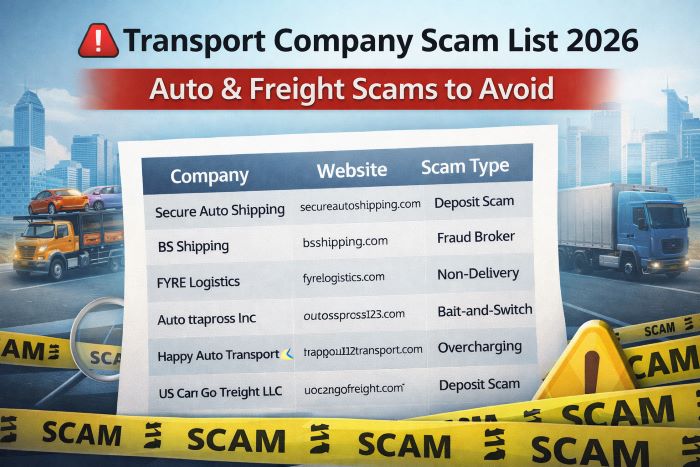
Scammers pose as legitimate car transport companies, offering unusually low prices for vehicle shipping. Victims are often asked to pay a “deposit” or “insurance fee” upfront—after which the company disappears.
Common red flags:
- No verifiable business address
- Recently created websites
- Requests for payment via wire transfer, gift cards, or crypto
- Fake reviews copied from real companies
Related category: Car Transport Scam
2. Facebook Marketplace & Classified Transport Scams
Social media platforms remain a major hunting ground for scammers.
Fraudsters advertise transport services in Facebook Marketplace, Craigslist, and local groups. After collecting payment, they either delay indefinitely or vanish.
What’s new in 2025:
- Fake tracking screenshots
- Impersonation of known logistics brands
- AI-generated customer service messages
Related category: Transport Scams
3. Fake Maritime Job & Seafarer Recruitment Scams
High-risk for seafarers and migrant workers
Fake recruiters lure victims with high-paying maritime jobs, often claiming affiliation with international shipping companies. Victims are charged for visas, training, or placement fees and sometimes abandoned in foreign ports.
Warning signs:
- No official IMO verification
- Contracts without company registration numbers
- Requests for fees before boarding
Related categories:
4. Air Transport & Immigration Scam Networks
Growing in international travel hubs
In 2025, scammers increasingly exploit air transport systems by selling fake tickets, forged travel documents, or fraudulent immigration assistance.
Some schemes involve insiders or impersonation of airline staff.
Examples include:
- Fake e-tickets that fail at check-in
- Fraudulent airport job offers
- Scams targeting asylum seekers and migrants
Related category: Air Transport Scam
5. Trucking & Freight Transport Payment Scams
Targeting businesses and drivers
Scammers impersonate freight brokers or logistics coordinators, assigning loads and then disappearing without payment. In some cases, stolen cargo is involved.
Common tactics:
- Fake dispatch companies
- Cloned websites of real freight firms
- Last-minute contract changes
Related category: Truck Transport Scam
6. Rail & Ticket Resale Scams
Often overlooked but rising
Fraudsters sell fake or duplicated train tickets through unofficial resale platforms. Victims only discover the scam at the station.
Red flags:
- Prices far below official rates
- No QR code verification
- Pressure to buy quickly
Related category: Rail Transport Scam
7. Fake Insurance & Tracking Number Scams
A growing trend in transport scams 2025 involves scammers issuing fake tracking numbers or insurance certificates to appear legitimate.
These documents often look professional but cannot be verified through official channels.
Tip:
Always verify tracking numbers directly on the carrier’s official website—not via links sent by sellers.
Who Is Most at Risk?
- Job seekers and migrant workers
- First-time vehicle shippers
- Small businesses using third-party logistics
- Seafarers seeking overseas employment
How to Protect Yourself From Transport Scams
Verify company licenses and registrations
Never pay upfront fees without contracts
Avoid deals that pressure urgency
Use official platforms and payment methods
Cross-check reviews and domain age
What to Do If You Suspect a Transport Scam
If you believe you’ve encountered a transport-related scam:
- Collect all evidence (emails, messages, receipts)
- Stop further payments immediately
- Report the incident to relevant authorities
- Submit a report on TransportScammers.com to warn others
Final Thoughts
Transport scams in 2025 are more convincing than ever—but awareness saves money, time, and lives. Staying informed about the latest scam tactics is the best way to protect yourself and others.
Bookmark this page and check back regularly, as we update it with new scam patterns throughout the year.
Victims of transport fraud are encouraged to report incidents to official consumer protection authorities such as government fraud reporting agencies.
Government Fraud Reporting Agencies
FAQ Schema
What are the most common transport scams in 2025?
The most common in transport scams 2025 include fake auto transport companies, maritime job recruitment scams, Facebook Marketplace transport fraud, air travel ticket scams, and trucking payment scams.
How can I check if a transport company is legitimate?
You should verify business registration, licensing, official contact details, online presence history, and avoid companies that demand upfront payments or use untraceable payment methods.
Are maritime job offers a common scam?
Yes. Fake maritime job offers are a major scams transport scams 2025, often targeting seafarers with false contracts, illegal fees, and unverified recruiters.
What should I do if I am a victim of a transport scam?
You should stop payments immediately, gather all evidence, report the scam to authorities, and submit a report on TransportScammers.com to warn others.