

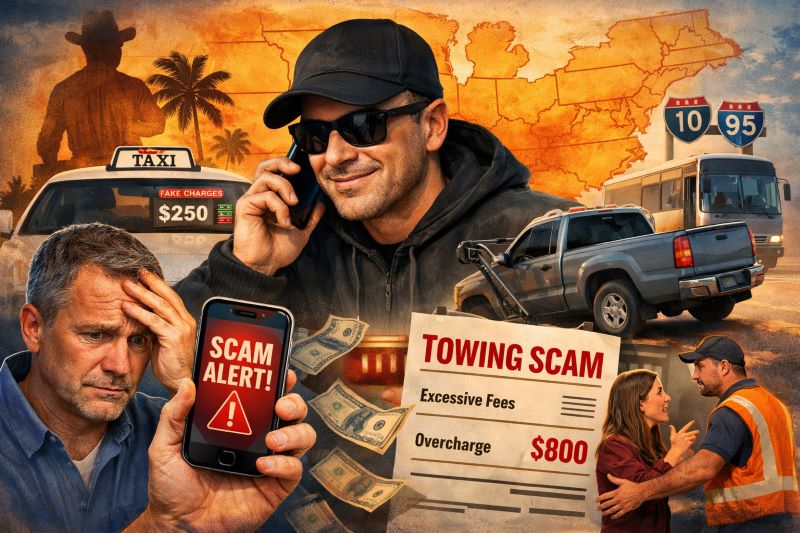
Transport scams are growing fast across the U.S., and the Southern states (Florida, Texas, Georgia, and nearby regions) are getting hit hard. Why? The South has huge volumes of car shipping, port traffic, and freight movement—perfect conditions for scammers to blend in, impersonate real businesses, and disappear after collecting money.
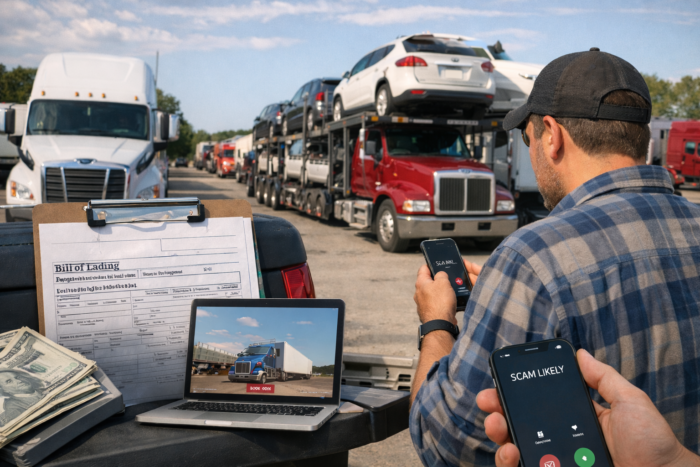
These transport scams don’t just target trucking pros. Regular people shipping a car, moving states, or transporting boats are also being trapped by fake companies, deposit fraud, and “too good to be true” quotes.
Below is a detailed breakdown of the major scam types, why they’re rising, and how to protect yourself.
1) Fake Transport Companies That Take Deposits and Vanish
This is one of the most common scams in vehicle and boat transport:
- A “company” advertises online (Google, Facebook, marketplaces, even fake review pages)
- The quote looks attractive
- They demand an upfront payment or deposit
- After you pay, they stop responding—or keep delaying pickup forever
The Better Business Bureau has warned consumers about this exact pattern and how scammers exploit stressful moves and tight timelines. (See: BBB Scam Alert on vehicle transport scams.)
✅ Quick safety move: Always verify the carrier/broker identity before paying anything.
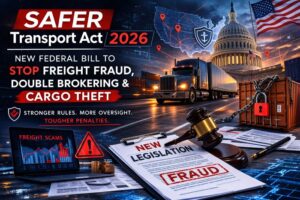
2) Double-Brokering: A Freight Transport Scams That’s Exploding
Double-brokering is wrecking trust in freight logistics.
Here’s what happens:
- A scammer accepts a shipment as a broker
- They secretly repost the load somewhere else
- A real carrier hauls the freight
- The scam broker keeps the money, delays payment, or disappears
- Everyone argues afterward—shipper, carrier, legitimate broker—while the scammer is gone
FMCSA specifically highlights broker/carrier fraud and identity theft methods and recommends steps like recording truck/trailer plates and collecting photos to identify the actual carrier. (See: FMCSA guidance on broker & carrier fraud.)
3) Identity Hijacking: Scammers Using Real DOT/MC Numbers
This one is nasty because the scammer looks legit on paper.
They:
- Steal the name + registration numbers of a real carrier/broker
- Create a similar email/domain (ex: one letter off)
- Present “insurance” and “authority” documents that are edited or stolen
- Get paid or assigned loads under the real company’s identity
✅ Best defense: Verify via official FMCSA tools:
- SAFER Company Snapshot (DOT/MC lookup)
- FMCSA SAFER overview page
If the phone number or address doesn’t match what SAFER shows, that’s a massive red flag.
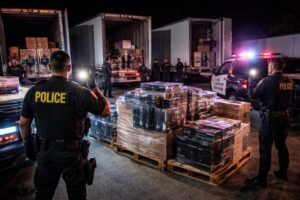
4) Cargo Theft + Load Hijacking (It’s Not Just “Trucks Getting Robbed”)
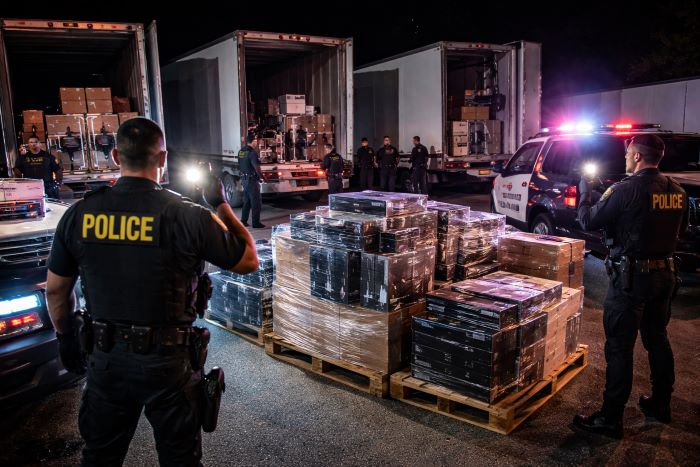
Cargo theft isn’t always a dramatic highway robbery. A lot of it is paperwork-based or cyber-enabled:
- Fake pickup drivers arrive with correct-looking documents
- Delivery instructions get changed mid-route
- Loads are diverted to a “new warehouse”
- Organized theft rings target high-value lanes near major ports and highways
The FBI explains cargo theft broadly as theft of commercial freight moving in commerce and provides reporting guidance. (See: FBI Cargo Theft page.)
For deeper reporting/identification info, the FBI also provides a detailed manual used for recognizing and reporting cargo theft incidents. (See: FBI cargo theft user manual PDF.)
5) Auto Transport & Broker Fraud: Why FMCSA Keeps Warning Consumers
Auto transport scams is especially scam-prone because:
- Customers are often stressed and relocating
- They may not know the difference between a broker vs carrier
- They trust “reviews” that might be bought or fake
FMCSA has a consumer advisory for automobile transporters and notes an increase in complaints, encouraging people to be informed and providing complaint options. (See: FMCSA Consumer Advisory About Automobile Transporters.)
Why the Southern U.S. Gets Hit So Hard
The South is a scam magnet because it has:
- Major ports and freight corridors
- High volumes of car shipping (relocations + seasonal moves)
- Huge trucking activity and broker networks
- Fast-moving marketplaces where verification gets skipped
Scammers thrive wherever volume is high and urgency is common.
How to Protect Yourself (Fast Checklist)
Before you book any transport service:
- Verify DOT/MC on SAFER
Use: SAFER Company Snapshot - Match contact details exactly
Phone + email + address should match official listings. - Avoid wire/crypto-only payment demands
Use payment methods with dispute protection when possible. - Get everything in writing
Quote, pickup window, delivery window, cancellation policy, refunds. - Watch for lowball pricing + pressure tactics
“Book in the next hour” is a classic scam move. - Check Related Articles – Water Transport Scam, Car Transport Scam, Air Transport Scam, Human Transport Scam, Rail Transport Scam
Bottom Line
Transport scams are no longer isolated incidents—they are a growing, organized problem, especially in the southern United States. From fake auto and boat transport companies to double-brokering and cargo theft, the industry is under increasing attack.
The recent boat-sales fraud cases in Florida highlight just how damaging these schemes can be, but they represent only a small part of a much larger issue. Awareness, verification, and caution are now essential for anyone involved in vehicle, marine, or freight transport.
Staying informed is the first and most important step in avoiding becoming the next victim.
FAQ: Transport Scams in the Southern U.S.
1) What are the most common transport scams in the Southern U.S.?
The most common are fake transport companies taking deposits, double-brokering, identity hijacking (DOT/MC theft), cargo theft/load hijacking, and boat transport or boat sales fraud.
2) How can I verify if a transport company is legit?
Use the FMCSA SAFER Company Snapshot to verify their DOT/MC details, then confirm the phone number, email, and address match the official listing. If anything doesn’t match, don’t pay.
3) What are the biggest red flags of a scam transport company?
Watch for very low pricing, pressure to pay immediately, wire/crypto-only payment, no written contract, refusal to share DOT/MC details, and emails/domains that look slightly off.
4) What is double-brokering and how does it affect people?
Double-brokering is when a broker accepts a load and re-posts it without permission. It can lead to payment disputes, unpaid drivers, delayed deliveries, and sometimes cargo theft risk.
5) What should I do if I already paid and suspect a scam?
Act fast: contact your bank/payment provider, save all proof (texts, emails, invoices), and file reports with FMCSA and local law enforcement. The sooner you act, the higher the chance of recovery.