



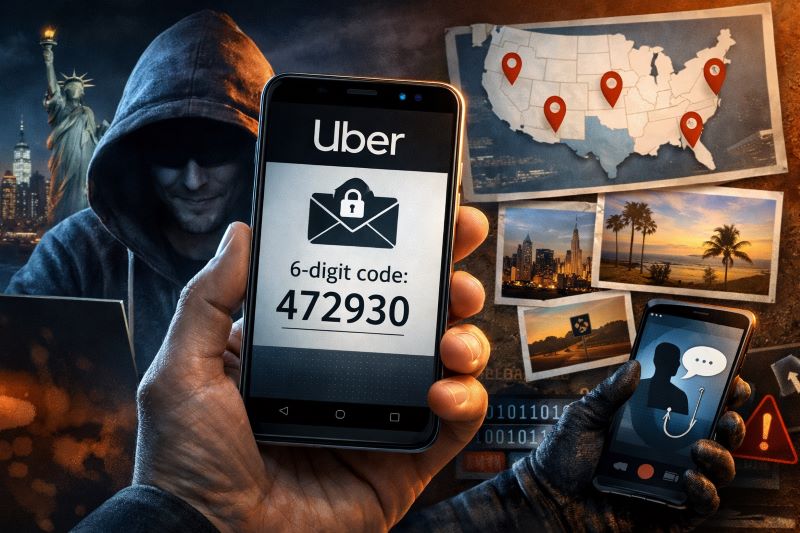
If someone asks for your Uber verification code, they’re not “verifying” you — they’re trying to take over your account. Uber itself warns that it will never ask for your password, verification code, or banking details.
Timeline: 4 reported stories (date • place • country)
- Oct 19, 2025 • Houston, Texas • United States — Houston-area reporting described a scam where a rider is asked for contact info and the verification codes sent after requesting an Uber.
- Oct 21, 2025 • Washington, D.C. • United States — A report said scammers used fake “verification” calls to gain unauthorized access to riders’ Uber accounts and payment info.
- Oct 23, 2025 • Ohio (Central Ohio coverage) • United States — Coverage warned about a “new verification” scam targeting riders right after they book a ride.
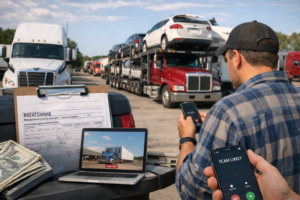
- Nov 10, 2025 • Orlando, Florida • United States — An Uber driver reported being tricked by someone claiming to be support, then had money drained after entering what looked like a “credit”/gift-card number.
Uber Verification Code Scam: What Happened in 4 Real U.S. Stories
In the United States, the Uber verification code scam (also called the Uber OTP scam or Uber account takeover scam) has shown up in multiple real reports across different states, and the pattern is always the same: scammers trick people into sharing a verification code so they can access accounts and payment methods. In Houston, Texas (Oct 19, 2025) a Houston-area report warned that the scam can feel “official” because it seems to happen inside the normal Uber ride process—after a rider requests a trip, the rider is asked for an email/phone number and the verification codes sent to their phone, and giving those codes can expose payment details and lead to unauthorized activity; in Washington, D.C. (Oct 21, 2025), reporting described fake “verification” calls used to gain unauthorized access to Uber passenger accounts and payment information, again relying on the rider’s cooperation; in Ohio (Oct 23, 2025), a Central Ohio warning highlighted the “new verification policy” angle where someone posing as a driver or “Uber support” asks riders to confirm account details and share a verification code—sometimes with extra convincing visuals like a driver image—so scammers can access the account and payment methods; and in Orlando, Florida (Nov 10, 2025), the scam hit from the other side when a driver was targeted by a caller claiming to be Uber support, told he was under investigation, then guided into his Uber wallet and tricked into entering what looked like a gift card number—only to have $489.80 drained. If you’re searching for what’s real and what’s fake, here’s the simplest rule that stops nearly every version of this rideshare scam: never share Uber verification codes (OTP), passwords, or banking details with anyone, even if the request seems to come from the app—have you seen this “verification” message yet, and what exactly did they ask you for?
What all 4 cases have in common (the pattern that makes it work)
- Urgency + authority
“New policy.” “Security verification.” “Investigation.” It’s designed to make you move fast. - A real code is involved
Verification codes exist for account security — and scammers want you to hand it over. The FTC explains that verification codes are part of two-factor authentication and are meant to confirm it’s really you signing in. - The scam is “inside the moment”
Right after you request a ride, or while a driver is active — when you’re distracted and trying to get somewhere.
Never share your verification code (OTP) — with anyone.
Uber says scammers may pretend to be Uber Support to get “login credentials” and verification codes, and Uber will not ask you for them.
Do this if it happens to you
- Stop replying / hang up immediately
- Don’t click links in texts/messages
- Open the Uber app manually and use Help/Support from inside the app
- Change your password and review payment methods if you suspect access
- Verify in Uber official guidance on phishing / verification codes
For Related Guide : Click Here
FAQ’S
Why am I getting Uber verification codes I didn’t request?
Usually, someone is trying to log in to your account or reset your password, which triggers a code. Uber notes verification codes can appear when signing in, changing account details, or enabling protections.
Will Uber ever ask me for my OTP/verification code?
No. Uber states they will not call/text/email to request your password, verification code, or banking details.
What if the call comes through the Uber app?
Treat it the same way. Scammers can look “legit.” If they ask for a code, end the call and report through in-app Help.
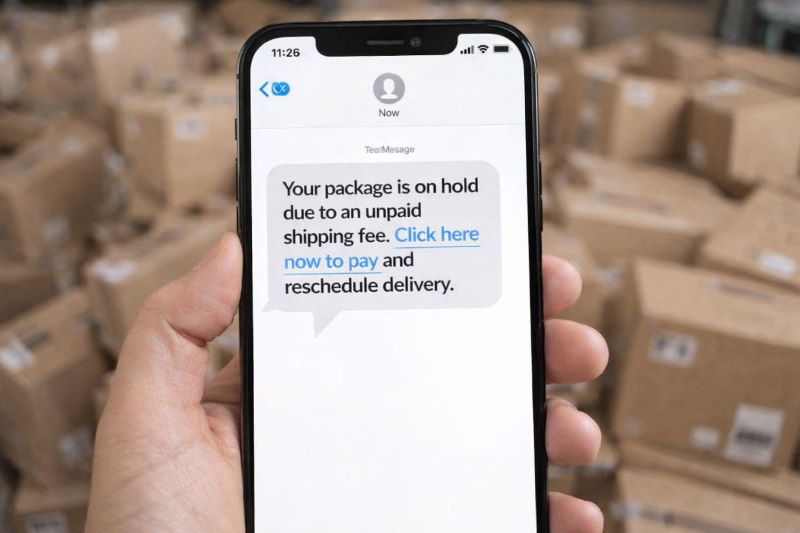
What should I do with suspicious texts?
Don’t click links. Verify independently. FTC recommends using your phone’s “report junk” and forwarding spam texts to 7726 (SPAM) if supported.